By Crystal Howard
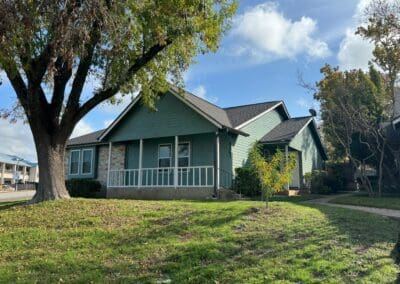
Austin homeowners experience hot summers, strong sunlight, humidity, and seasonal storms that can influence the condition of exterior walls. Choosing suitable materials and understanding installation requirements can help protect a home’s structure while maintaining its appearance. When planning siding installation in Austin, Texas, homeowners should consider material durability, moisture management, energy efficiency, and long-term maintenance needs. Careful preparation also makes it easier to compare available options and understand which materials are appropriate for local weather conditions.
Table of Contents
- Understanding the Effects of Local Weather
- Selecting Materials for Long-Term Performance
- Why Proper Installation Matters
- Preparing for a Successful Exterior Project
- Evaluating Materials Before Making a Decision
- Working With a Qualified Installation Professional
- Conclusion
Understanding the Effects of Local Weather
Austin’s changing weather can affect siding durability, appearance, and maintenance needs, making climate suitability an important factor when choosing exterior materials.
Managing Heat and Temperature Changes
Central Texas summers bring prolonged heat that can cause some siding materials to expand or contract. Homeowners should select products designed to handle local temperature conditions and ensure installation follows the manufacturer’s spacing and fastening instructions.
Protecting Siding From Sunlight
Intense ultraviolet exposure can gradually affect exterior colors and finishes. When comparing materials, review their color-retention properties, available finishes, and recommended maintenance requirements to find an option suited to the home’s sun exposure.
Considering Rainfall and Humidity
Seasonal rainfall and periods of high humidity make moisture management essential for exterior siding. Proper flashing, suitable weather barriers, and correctly sealed joints help manage water exposure. When planning siding installation in Austin, Texas, homeowners should consider these requirements alongside material durability, appearance, and overall cost.
Selecting Materials for Long-Term Performance
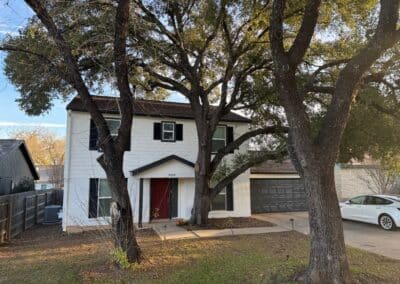
Different siding materials offer different advantages in durability, appearance, maintenance, and overall cost. Comparing these characteristics helps homeowners choose an option that matches their property’s needs and their preferred level of upkeep.
Common options include:
- Fiber cement: Known for its durable composition, fiber cement can provide a range of exterior styles and finishes. Proper installation and periodic maintenance remain important.
- Vinyl: Available in numerous colors and profiles, vinyl siding is valued for its relatively low maintenance requirements. Homeowners should review product specifications for heat exposure and installation clearances.
- Engineered wood: This option can provide a traditional wood appearance, although performance depends on the product, protective finish, and installation method.
- Natural wood: Wood offers a distinctive appearance but generally requires more attention to coatings, moisture exposure, and ongoing maintenance.
Before selecting siding in Austin, TX, compare the manufacturer’s guidance for climate suitability, expected upkeep, color retention, and warranty coverage. No single material is ideal for every home, so the decision should account for the property’s design, exposure, and budget.
Why Proper Installation Matters
Even high-quality materials may not perform as intended when installation practices do not follow manufacturer specifications. A well-planned project should account for the wall assembly, water management, ventilation requirements, and the movement of materials during temperature changes.
Homeowners researching residential siding installation should ask how the installation team will prepare the exterior, manage moisture, and maintain appropriate clearances around windows, doors, and other openings.
Important installation considerations include:
- Following the manufacturer’s fastening and spacing instructions.
- Installing appropriate flashing around openings and transitions.
- Using suitable weather-resistive barriers where required.
- Maintaining proper clearances near the ground and adjoining surfaces.
- Allowing for material expansion and contraction where specified.
- Inspecting the finished work for consistent alignment and properly secured components.
These details matter in the USA, where regional climate conditions vary considerably, and installation practices must suit the property’s specific environment. Homeowners should also confirm which project requirements and applicable local codes need to be addressed before work begins.
Preparing for a Successful Exterior Project
Review Materials and Project Costs
Homeowners should compare siding materials based on durability, maintenance requirements, appearance, and overall cost. Requesting written estimates from qualified professionals can clarify the materials, preparation steps, installation scope, and expected timeline. Reviewing these details before work begins helps homeowners make informed decisions that fit their property’s needs and budget.
Compare Exterior Styles and Finishes
Choosing the right siding color and texture can improve the overall appearance of a home. Homeowners exploring Home Improvement ideas can collect reference photos and compare different styles with existing roof colors, window frames, trim, and surrounding features. Considering the home’s architectural design alongside material performance helps create a balanced exterior that suits Austin’s climate.
Evaluating Materials Before Making a Decision
Appearance is only one part of selecting an exterior finish. Homeowners should consider how much maintenance a material requires, how easily its finish can be maintained, and whether its performance characteristics match local weather exposure.
A useful comparison checklist includes:
- Initial material and installation costs.
- Manufacturer-approved applications and climate suitability.
- Cleaning and maintenance requirements.
- Resistance to moisture and sunlight.
- Available colors, textures, and profiles.
- Warranty coverage and applicable conditions.
- Availability of matching materials for future updates.
A qualified siding contractor in Austin, Texas, should be able to explain the differences between suitable options and help homeowners understand relevant installation considerations without promising results that cannot be guaranteed.
Product warranties and building requirements can vary by manufacturer and location. Read the documentation carefully and verify the details that apply to the selected product and property.
Working With a Qualified Installation Professional
Working with a qualified professional can help homeowners understand material options, installation requirements, and the steps needed to plan a durable exterior that suits Austin’s climate.
Evaluating Installation Experience and Qualifications
Selecting a qualified professional requires reviewing relevant experience, communication, and familiarity with different siding materials. Homeowners should ask about installation methods, moisture-management practices, preparation requirements, and applicable warranties before making a decision. A detailed written estimate helps clarify the project scope, expected timeline, and materials included.
Exploring Siding Options for Your Home
Choosing suitable siding involves balancing durability, appearance, maintenance, and budget. Genuine Texas Exteriors offers information about exterior siding options for homeowners in Austin and nearby Central Texas communities. Visit the siding installation service page to explore available services and gather information before planning an exterior improvement project.
Frequently Asked Questions
Which siding materials are suitable for Austin’s climate?
Fiber cement, vinyl, engineered wood, and natural wood are all options, depending on the home’s design and maintenance preferences. Review product specifications and installation requirements before choosing.
How can homeowners improve siding durability?
Choose a material suited to the local environment, follow the manufacturer’s installation instructions, manage moisture properly, and complete recommended maintenance. Regular visual inspections can help identify changes that need professional evaluation.
How long does siding installation take?
The timeline depends on the property’s size, material selection, existing exterior conditions, weather, and project complexity. Request a project-specific schedule before installation begins.
What should homeowners compare when reviewing estimates?
Compare material specifications, preparation work, installation scope, estimated completion dates, payment terms, and warranty conditions. A detailed written estimate provides a clearer basis for evaluating different proposals.
Why is local installation experience valuable?
Professionals familiar with Central Texas conditions may better understand common weather-related considerations, including heat exposure, seasonal rainfall, and moisture management. Homeowners should still verify qualifications and product-specific expertise.
Conclusion
Durable exterior siding starts with selecting appropriate materials, understanding local weather conditions, and ensuring the installation follows manufacturer requirements. Austin homeowners should compare long-term maintenance needs, moisture-management details, appearance, and total project costs before making a decision. Taking time to evaluate these factors can help homeowners choose an exterior finish that suits their property’s design and practical needs. For anyone considering siding installation in Austin, Texas, a well-informed approach provides a useful foundation for planning an exterior improvement project.
For additional local information, View Genuine Texas Exteriors on the Map and explore the available siding options for homes in Austin and nearby Central Texas communities.