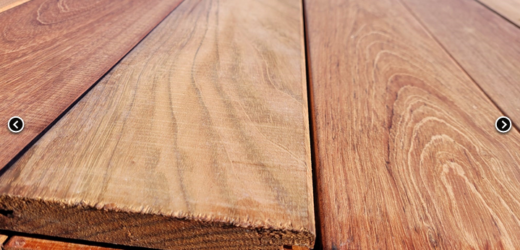
By Crystal Howard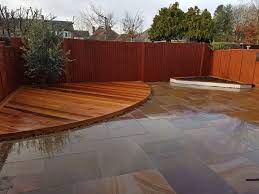
Choosing the right wood for your cladding project can make a significant difference in the aesthetics, durability, and overall performance of your building. Two of the most popular choices for cladding are Western Red Cedar and Douglas Fir. Each of these woods has unique characteristics that may make one more suitable for your needs than the other. In this comprehensive guide, we will compare Western Red Cedar vs. Douglas Fir, helping you make an informed decision for your next project.
Introduction to Western Red Cedar and Douglas Fir
Western Red Cedar
Western Red Cedar is renowned for its exceptional beauty and durability. It is a softwood native to the Pacific Northwest region of North America. This wood is highly valued for its rich, warm colors, ranging from pale pinkish-brown to dark brown, and its fine, straight grain. Western Red Cedar is also known for its distinctive, pleasant aroma, which comes from naturally occurring compounds called thujaplicins that also contribute to its resistance to decay and insect damage.
Douglas Fir
Douglas Fir is another popular choice for cladding, offering a combination of strength and aesthetic appeal. It is a versatile softwood that grows in abundance across North America, particularly in the western United States and Canada. Douglas Fir is characterized by its light, yellowish-brown to reddish-brown color and its straight, slightly coarser grain compared to Western Red Cedar. This wood is also prized for its structural integrity and resistance to wear and tear.
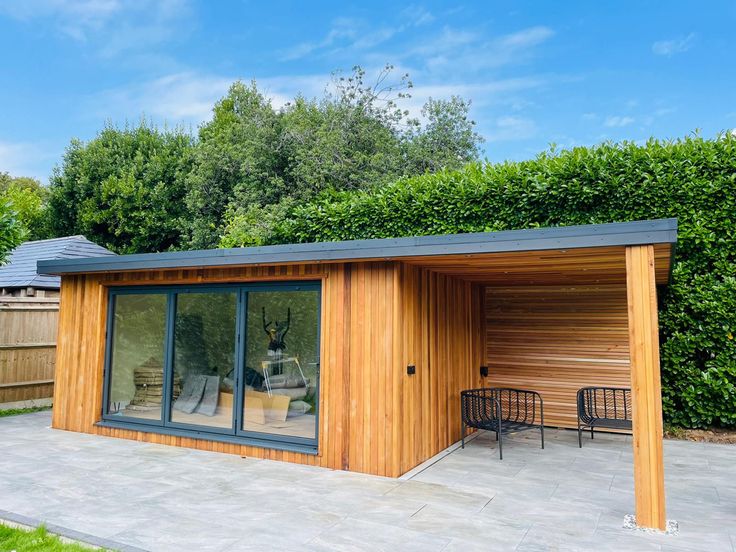
Comparing Western Red Cedar and Douglas Fir
Appearance and Aesthetics
When it comes to visual appeal, both Western Red Cedar and Douglas Fir have distinct characteristics that can enhance the beauty of any building.
- Western Red Cedar: This wood is celebrated for its stunning range of colors and its fine, uniform texture. Its natural luster and smooth surface make it an excellent choice for cladding that aims to create a warm, inviting look. Western Red Cedar’s aesthetic versatility allows it to complement a wide variety of architectural styles, from traditional to contemporary designs.
- Douglas Fir: Although slightly less varied in color than Western Red Cedar, Douglas Fir offers a rich, warm appearance with its reddish-brown hues. The grain pattern of Douglas Fir is more pronounced, providing a rustic charm that is particularly well-suited to traditional and country-style homes. Its natural beauty can be further enhanced with stains and finishes that highlight its grain and color.
Durability and Maintenance
The durability and maintenance requirements of the wood you choose are crucial factors to consider, especially for exterior applications like cladding.
- Western Red Cedar: Known for its exceptional resistance to decay and insect damage, Western Red Cedar is an ideal choice for outdoor applications. Its natural oils act as preservatives, ensuring longevity and minimal maintenance. However, to maintain its appearance and extend its lifespan, it is recommended to apply a protective finish or sealer. Regular maintenance, such as cleaning and reapplying finishes, can help preserve its color and prevent weathering.
- Douglas Fir: While Douglas Fir is also durable, it is not as naturally resistant to decay and insects as Western Red Cedar. It requires more frequent maintenance and the application of protective treatments to ensure its longevity. When properly treated and maintained, Douglas Fir can last for many years and provide reliable performance as cladding material.
Workability and Installation
Both Western Red Cedar and Douglas Fir are known for their excellent workability, but there are some differences in how they handle the installation process.
- Western Red Cedar: This wood is relatively lightweight and easy to work with, making it a favorite among builders and craftsmen. Its straight grain allows for clean cuts and smooth finishes, reducing the risk of splintering. Western Red Cedar can be easily nailed, screwed, and glued, facilitating a straightforward installation process.
- Douglas Fir: Although slightly denser than Western Red Cedar, Douglas Fir is still easy to work with. Its strength and stiffness make it suitable for structural applications, and it holds nails and screws well. However, care must be taken when cutting and shaping Douglas Fir to avoid splintering, especially along the grain.
Environmental Impact
Sustainability and environmental impact are increasingly important considerations when choosing building materials.
- Western Red Cedar: Western Red Cedar is a sustainable choice, as it is harvested from well-managed forests with strict reforestation practices. This wood has a relatively low carbon footprint, and its natural durability reduces the need for chemical treatments. Additionally, Western Red Cedar is biodegradable and can be recycled at the end of its life cycle.
- Douglas Fir: Similarly, Douglas Fir is harvested from sustainable sources and is considered an environmentally friendly option. It grows quickly and is widely available, reducing the environmental impact associated with transportation. Douglas Fir also has a low carbon footprint and can be recycled or repurposed after use.
Cost Considerations
Budget is always a critical factor in any building project, and the cost of materials can significantly influence your decision.
- Western Red Cedar: Generally, Western Red Cedar is more expensive than Douglas Fir due to its superior durability and aesthetic qualities. The higher cost can be justified by its longer lifespan and lower maintenance requirements, which can result in savings over time.
- Douglas Fir: Douglas Fir is typically more affordable, making it an attractive option for budget-conscious projects. While it may require more maintenance and protective treatments, its initial lower cost can be a deciding factor for many builders and homeowners.
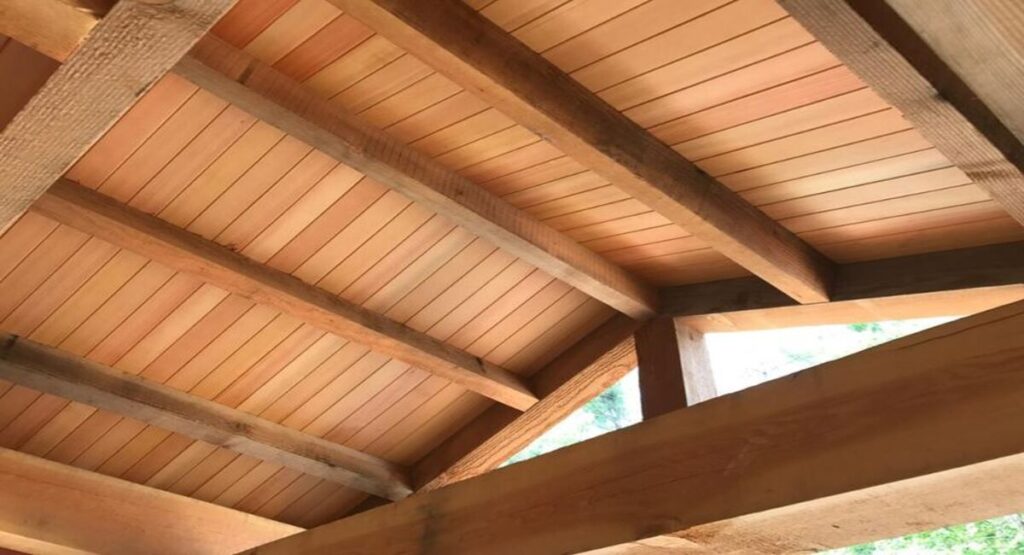
Conclusion: Which Should You Choose?
Choosing between Western Red Cedar and Douglas Fir ultimately depends on your specific needs, preferences, and budget. If you prioritize natural beauty, durability, and low maintenance, Western Red Cedar is an excellent choice for your cladding project. Its rich colors, fine grain, and natural resistance to decay and insects make it a premium material that can enhance the appearance and longevity of your building.
On the other hand, if you are looking for a cost-effective, strong, and versatile wood, Douglas Fir is a great option. Its warm hues, structural integrity, and ease of workability make it suitable for a wide range of applications. While it may require more maintenance, its affordability and availability make it a practical choice for many projects.
In conclusion, both Western Red Cedar and Douglas Fir offer unique advantages, and the best choice will depend on your project’s specific requirements. By carefully considering the characteristics, benefits, and costs of each wood, you can make an informed decision that ensures the success and longevity of your cladding project.