By Crystal Howard

In today’s workplace, ensuring safety is paramount. A critical yet often underestimated tool for safeguarding workers and the general public is the simple warning decal. These decals, though small and easily overlooked, are essential for alerting individuals to potential hazards and preventing accidents in environments ranging from industrial sites to office buildings.
Table of Contents
In this article, we will explore the importance of warning decals, the benefits they provide, and how choosing the right decals can significantly enhance workplace safety. Whether you’re managing a construction site, overseeing manufacturing operations, or maintaining public spaces, prioritizing warning decals is a vital step toward ensuring a safe environment.
What Are Warning Decals?
These are labels or stickers that convey safety messages, alerting individuals to potential risks in their environment. Typically, these are made from durable materials, such as vinyl, and are designed to withstand harsh conditions. These are used in many settings, from marking hazardous areas in factories to labeling machinery and equipment, ensuring individuals can easily identify and avoid risks.
These are not only components of industrial and custom labels, but also serve as critical visual reminders of hazards that could lead to accidents. Whether you need a caution label for heavy machinery or a vinyl decal for a high-risk area, these are essential for maintaining a safe workplace.
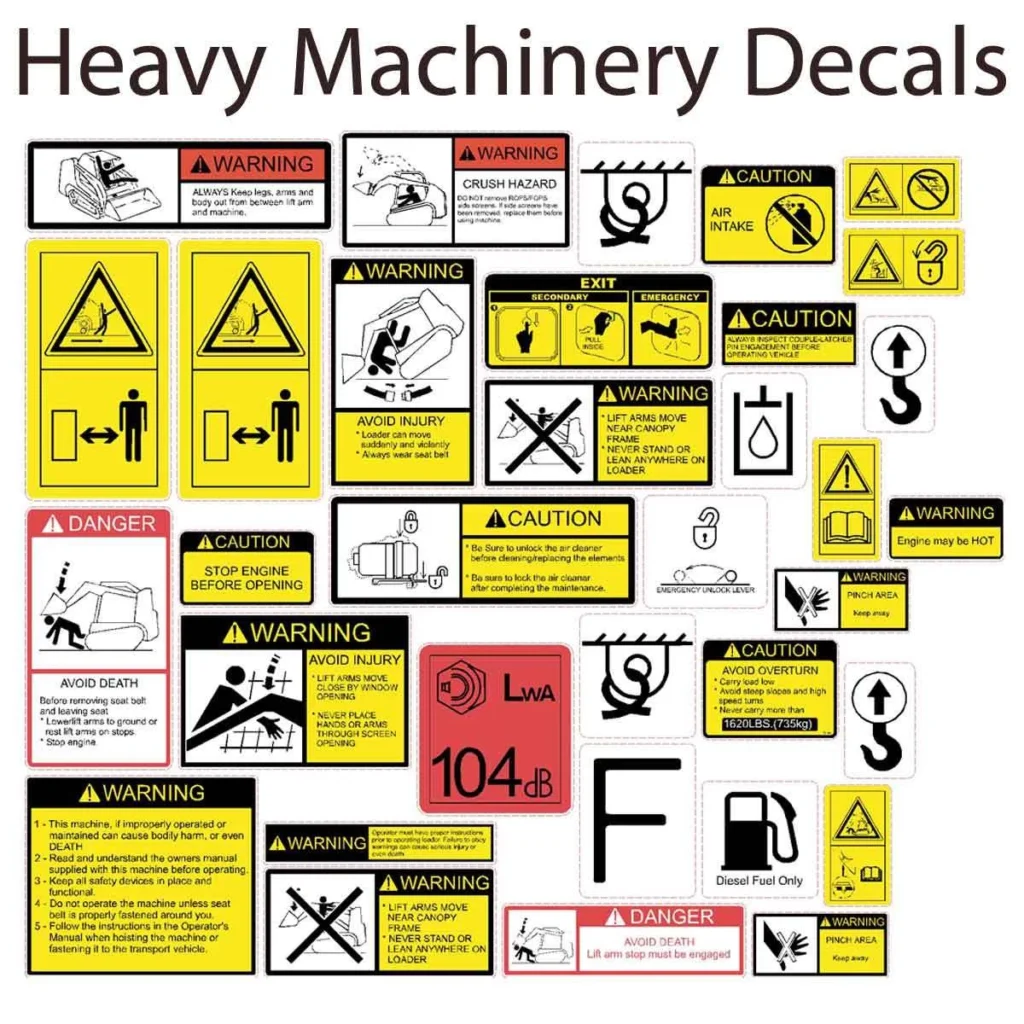
Why Are Warning Decals Crucial for Safety?
1. Clear Communication of Hazards
The primary purpose of warning decals is to communicate potential dangers. Whether it’s a large decal on industrial machinery, a caution label near high-voltage areas, or a warning sign about chemical exposure, these ensure individuals are aware of risks before they become a problem. Universal symbols and clear text help convey the message quickly, even for those unfamiliar with the area or environment.
These provide essential information that helps reduce the likelihood of accidents. The message, whether simple like “Caution: High Voltage” or more complex, such as instructions for handling hazardous materials, plays a pivotal role in preventing injuries.
2. Regulatory Compliance
Adhering to safety regulations is not just a best practice but a legal requirement. Regulatory bodies, such as OSHA in the United States, have clear standards about safety signage. Warning labels, including caution labels and hazard symbols, ensure that businesses stay compliant with safety regulations, helping to reduce the risk of fines, legal consequences, and, most importantly, workplace accidents.
Without proper signage, workers or visitors may unknowingly expose themselves to risks, leading to accidents or injuries. By implementing the correct labels, you not only comply with the law but also prioritize the safety of your workforce.
3. Customizability for Your Specific Needs
One of the key advantages of this is its ability to be customized. Depending on your industry and the specific hazards present, you can design it to be tailored to your needs. From large decals for heavy machinery to smaller, more focused labels for equipment, custom labels allow for flexibility and precision.
For businesses, creating custom labels in Canada ensures that the designs comply with local safety standards and regulations. These custom labels can include specific warnings, company logos, and bilingual text to accommodate a diverse workforce, making communication clearer and more accessible.
4. Durability and Longevity
These are made from durable materials like vinyl, which resist fading, peeling, and weathering even in tough conditions. Vinyl decals are designed to withstand extreme weather, UV rays, chemicals, and abrasion, making them perfect for high-traffic areas or industrial settings. Their long-lasting durability reduces the need for frequent replacements, ensuring consistent safety messaging.
5. Easy Installation and High Visibility
These are easy to apply thanks to their adhesive backing, allowing for quick installation on various surfaces like metal, plastic, and glass. They are also highly visible, with bold text, bright colors, and clear symbols that capture attention in high-risk areas, helping prevent accidents and keeping safety top of mind.
Types of Warning Decals for Different Environments
When choosing warning decals, it’s important to consider the material and design best suited for your environment. Two of the most popular types of decals are lexan and vinyl. Both options offer distinct advantages depending on the application.
Lexan Decals
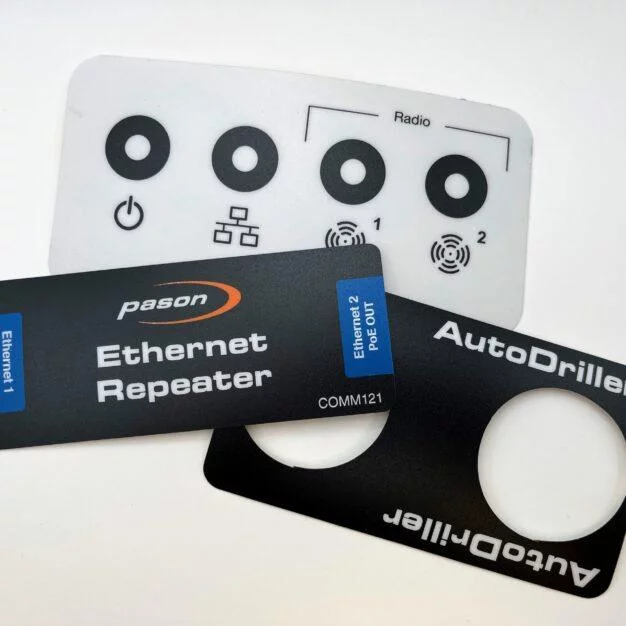
These are made from polycarbonate material, offering exceptional durability and resistance to impacts, chemicals, and temperature changes. Lexan decals are ideal for industrial environments where heavy-duty conditions and high-impact exposures are common, such as factories, warehouses, and construction sites. They ensure clarity and legibility of safety messages even in harsh environments.
Vinyl Decals
These are versatile, durable, and customizable, making them suitable for various applications. UV-resistant and weatherproof, they can be used both indoors and outdoors, making them ideal for workplaces exposed to the elements. Vinyl decals easy to personalize with logos, safety messages, and bilingual text, ensuring compliance with safety standards, particularly in diverse or international settings.
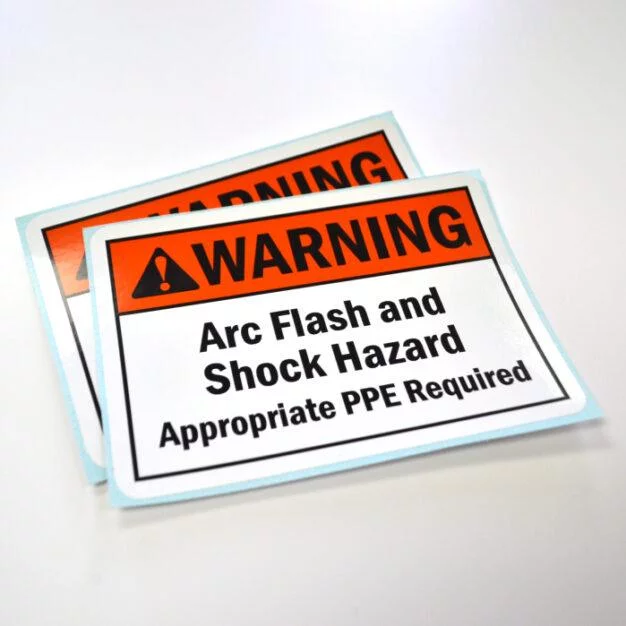
Best Practices for Warning Decal Design
Designing effective decals is crucial to ensuring that the message is communicated clearly and efficiently. Here are some best practices for designing impactful labels:
- Use Simple and Direct Language: Avoid overly complex phrases. The warning should be straightforward to understand at a glance.
- Incorporate Universal Symbols: Use symbols that are widely recognized for specific hazards (e.g., a flame symbol for fire hazards or a skull for toxic substances).
- Choose High-Contrast Colors: Bright colors such as yellow, red, and orange are often used because they are highly visible and draw attention quickly.
- Ensure Legibility: Select fonts and sizes that are easy to read from a distance. The larger the decal, the more visible it should be.
- Consider Your Workforce: If your team speaks multiple languages, make sure to incorporate bilingual text to accommodate everyone.
Conclusion
Warning decals play a crucial role in maintaining safety across a wide range of environments. From factories and construction sites to offices and public spaces, these serve as vital visual indicators of potential hazards. Investing in high-quality, custom warning signs ensures that your workplace remains safe, compliant, and prepared for any situation.
By prioritizing these decals, you are not just adhering to safety regulations but creating a culture of care and protection in your business. Whether you opt for custom industrial labels or choose durable vinyl or lexan, make sure that safety always comes first.
Frequently Asked Questions
Are danger decals mandatory in the workplace?
Yes, safety labels are often required by law. Regulatory bodies like OSHA and equivalent organizations mandate the use of danger decals to comply with safety standards.
How long does it last?
Decals made from high-quality materials like vinyl or lexan can last for years without fading, peeling, or losing effectiveness, even under harsh conditions.
Where should I place warning signs?
Decals should be placed in high-risk areas, near hazardous materials, equipment, and machines, or in places where workers and visitors are most likely to encounter potential dangers.
Can warning signs be used outdoors?
Yes, vinyl decals, in particular, are designed to be weather-resistant, making them ideal for both indoor and outdoor use.
How do I ensure my decals comply with safety regulations?
Work with a reputable manufacturer who specializes in decals and labels, and make sure your labels meet the requirements of local and national safety standards.